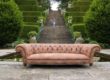
Few pieces of furniture carry the same air of sophistication and heritage as the Chesterfield sofa. With its deep button tufting, rolled arms, and equal-height back, the Chesterfield has become a global symbol of classic style. But where did it come from, and how did it earn its reputation as the gentleman’s sofa?
Let us take a journey through the history of this enduring design.
The Origins: 18th Century England
The story of the Chesterfield begins in 18th century England. According to popular legend, the design was commissioned by Philip Stanhope, the 4th Earl of Chesterfield from 1694 to 1773. A statesman and trendsetter of his time, Lord Chesterfield reportedly wanted a sofa that allowed a gentleman to sit upright without wrinkling his suit.
Whether fully accurate or slightly romanticized, this story reflects the cultural values of the era: refinement, posture, and polished appearance. The resulting design featured:
- Deep button tufting to secure the upholstery
- Quilted leather for durability and luxury
- High rolled arms level with the back
- A low seat designed for formal sitting posture
The design quickly became associated with aristocratic taste and exclusive gentlemen’s clubs.
19th Century: A Symbol of Prestige
By the 1800s, Chesterfields were fixtures in London’s private clubs, upper-class homes, and stately libraries. They were typically upholstered in rich, dark leather, most often brown or oxblood, and built with sturdy hardwood frames.
This was the era when the Chesterfield became synonymous with:
- Wealth and tradition
- Intellectual spaces such as studies and libraries
- Masculine elegance and authority
Interestingly, in Canada, the word “chesterfield” became a general term for a sofa, a usage that persisted well into the 20th century.
20th Century: Reinvention and Expansion
While rooted in tradition, the Chesterfield proved surprisingly adaptable.
Early 1900s: British Colonial Influence
As the British Empire expanded, so did the reach of the Chesterfield. It appeared in colonial administrative buildings, officers’ quarters, and government offices across the globe.
Mid 20th Century: From Formal to Eclectic
The post-war period brought shifts in interior design. Modernism introduced cleaner lines and lighter forms, yet the Chesterfield remained relevant. Designers began experimenting with:
- Velvet upholstery
- Lighter colors
- More compact proportions
The sofa transitioned from strictly formal settings into homes, hotels, and creative spaces.
Late 20th Century: Pop Culture and Vintage Revival
By the 1970s and 1980s, the Chesterfield experienced a revival, especially in vintage and industrial interiors. It became a cinematic staple, often placed in law offices, detective agencies, and executive suites to convey gravitas and tradition.
Design Elements That Define a Chesterfield
Though variations exist today, a true Chesterfield typically features:
- Deep button tufting across the back and arms
- Arms and back at the same height
- Rolled arms with tight upholstery
- Nailhead trim, often optional in modern versions
- Traditionally leather upholstery, though fabric versions are common today
These elements combine to create a look that feels both structured and inviting.
Chesterfields in the Modern Era
Today, the Chesterfield is no longer confined to dark leather libraries. Designers have reimagined it in:
- Soft pastels and bold contemporary colors
- Linen and velvet fabrics
- Minimalist Scandinavian-inspired spaces
- Boutique hotels and creative studios
It bridges traditional and modern aesthetics, making it one of the few historical furniture pieces that feels equally at home in a heritage manor or a sleek city loft.
Why the Chesterfield Endures
The Chesterfield has survived more than 250 years of shifting tastes and design movements. Its longevity can be attributed to:
- Exceptional craftsmanship
- A distinctive, recognizable silhouette
- Cultural associations with sophistication
- Adaptability across eras and styles
Unlike many trends that fade, the Chesterfield has proven itself to be both timeless and versatile.
Final Thoughts
The history of the Chesterfield is more than just the story of a sofa. It reflects social class, craftsmanship, evolving design philosophies, and cultural symbolism. From aristocratic English drawing rooms to modern urban apartments, the Chesterfield remains a statement piece that carries centuries of tradition in every tufted fold.
Whether upholstered in classic oxblood leather or contemporary velvet, one thing is certain. The Chesterfield is not just furniture. It is heritage in seating form.